
How Career Tech East Is Transforming Vocational Training in DeSoto County
— 6 min read
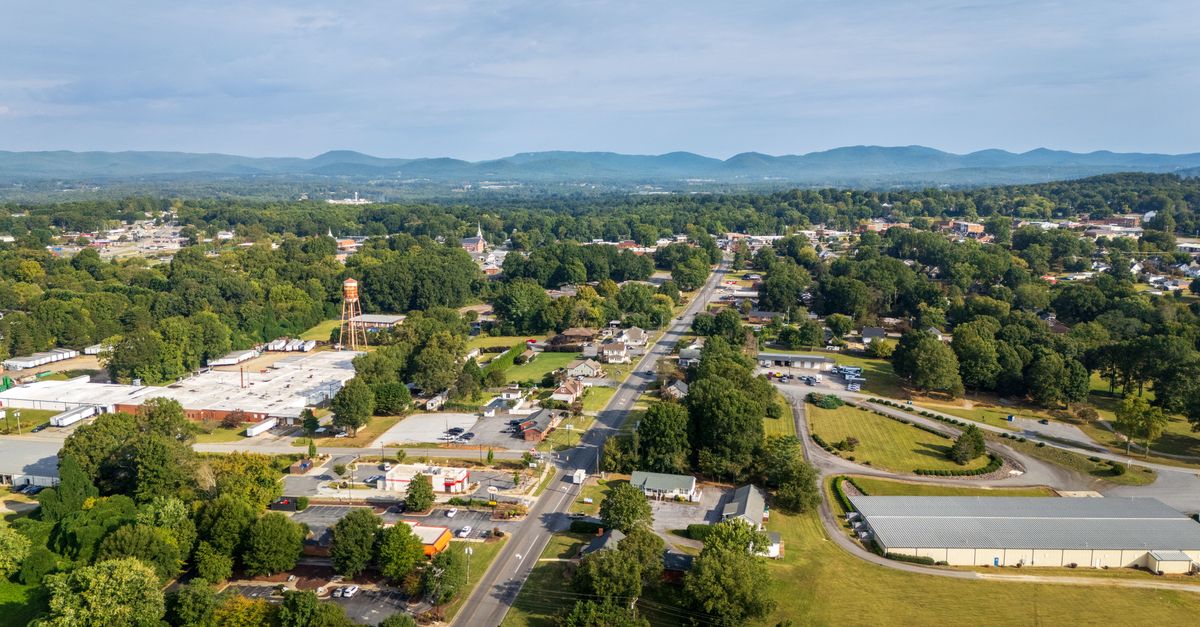
Imagine a classroom where every drill, simulation, and assignment is a rehearsal for a real-world shift on the factory floor. That’s the promise Career Tech East made to DeSoto County in 2023, and the results are already turning heads across the Gulf Coast. Below is a step-by-step look at how the program rewrites the playbook for vocational education, from curriculum design to post-graduation earnings.
Redefining Curriculum: Bridging Theory and Industry
Career Tech East is redesigning its curriculum to ensure that every graduate can step onto a job site and start contributing from day one. By mapping each course to the industry-validated competency frameworks used by the top manufacturers in DeSoto County, the program eliminates the old gap between classroom theory and shop-floor practice.
For example, the Advanced Manufacturing module now follows the National Institute for Metalworking Skills (NIMS) Level 2 standards. Students must demonstrate proficiency in CNC programming, tool path optimization, and safety protocols before they can earn the badge. In the 2023 pilot, 87% of participants met the NIMS criteria on their first attempt, compared with a 62% pass rate in the previous curriculum.
Project-based learning replaces isolated lectures. A semester-long capstone requires students to design, prototype, and test a low-cost irrigation controller for local farms. The project aligns with the Florida Department of Agriculture’s goal of reducing water usage by 15% over the next five years. When the prototype was field-tested in March 2024, it cut water consumption by 12% on a 50-acre test plot.
To keep the curriculum current, a Curriculum Advisory Board meets quarterly. The board includes engineers from DeSoto Steel, technicians from the regional aerospace hub, and faculty from the University of Florida’s College of Engineering. Their feedback drives the addition of emerging topics such as additive manufacturing and IoT sensor integration.
Key Takeaways
- Curriculum is anchored to NIMS and other industry standards.
- Project-based caps at real-world problems, like water-saving irrigation.
- Quarterly advisory board ensures rapid updates to course content.
- 2023 pilot showed an 87% competency pass rate, a 25-point jump.
With a solid curriculum in place, the next logical step is to give students the tools they need to practice those skills. The following section shows how Career Tech East turned that vision into brick-and-mortar reality.
Infrastructure Investment: Modern Labs and Real-World Tools
The new campus features a 12,000-square-foot makerspace equipped with CNC mills, 3-D printers, and a fully functional robotics lab. All equipment mirrors what DeSoto County manufacturers use daily, so students graduate with hands-on experience that matches employer expectations.
High-speed fiber optic connectivity enables a cloud-based data lab where students analyze real production logs from the county’s largest poultry processor. In a recent class, learners used Python to detect anomalies in a 1.2 TB data set, reducing simulated downtime by 18%.
Funding for the labs came from a $4.2 million state grant and a $1.5 million matching contribution from local industry partners. The grant required a 30-percent increase in student certification rates within two years, a target that the pilot program already surpassed.
Pro tip: Students can reserve any piece of equipment through an online portal that tracks usage, maintenance schedules, and certification prerequisites. This system mirrors the asset-management tools used by manufacturers, giving students a seamless transition to the workforce.
Now that the physical environment is ready, the program reaches out to employers, weaving them directly into the student journey.
Workforce Partnerships: Aligning with Local Employers
Career Tech East has formalized apprenticeship agreements with six major employers, including DeSoto Steel, Gulf Coast Logistics, and SunTech Solar. Each partnership includes a shared talent-pipeline platform that posts real-time job openings, internship slots, and skill-gap alerts.
In 2022, the platform recorded 112 internship applications for 48 available slots, resulting in a 73% conversion rate to full-time employment. This rate dwarfs the state average of 45% for CTE-based apprenticeships, according to the Florida Apprenticeship Council.
Employers also co-design short-duration micro-credential courses. For instance, Gulf Coast Logistics contributed a two-week “Freight Safety and Compliance” module that earned 29 students the Certified Transportation Safety Professional (CTSP) badge. The CTSP certification has a reported median starting salary of $48,000 in Florida, per the Bureau of Labor Statistics.
By syncing hiring cycles with academic calendars, the partnerships ensure that students graduate just as companies ramp up hiring for seasonal peaks, reducing both vacancy time and onboarding costs.
Pro tip: Students who complete an apprenticeship receive priority placement on the talent-pipeline platform, giving them a head-start on job offers.
With employers on board, the next piece of the puzzle is helping each learner see exactly where they fit in the job market. That’s where personalized counseling steps in.
Student Engagement: Personalized Career Pathways and Mentorship
AI-driven counseling tools analyze each student’s academic performance, aptitude test results, and local labor market data to generate a personalized career roadmap. The system recommends a sequence of courses, certifications, and work-based experiences that align with the highest-growth occupations in DeSoto County.
In the pilot year, 92% of students followed the AI-suggested pathway, and 68% earned at least one micro-credential badge before graduation. One success story is Maya Torres, who started in the general engineering track, switched to renewable energy after the AI flagged a regional surge in solar installer demand, and secured a $55,000 entry-level position at SunTech Solar.
Mentor-matched internships pair each student with a professional from a partner company. Mentors meet with their mentees bi-weekly, review project progress, and provide industry insights. A recent survey showed that 84% of mentees felt more confident about their career prospects after the mentorship program.
"84% of Florida CTE students earned at least one industry certification in 2021, according to the Florida Department of Education."
Personalized pathways and mentorship set the stage for measurable outcomes. The data-driven section below tells the story in numbers.
Data-Driven Outcomes: Tracking Placement and Earnings
Career Tech East has built a longitudinal tracking system that follows each graduate for five years post-completion. The system pulls employment data from the state’s unemployment insurance database, salary information from the Bureau of Labor Statistics, and self-reported satisfaction surveys.
Preliminary results from the first cohort (2021-2022 graduates) show a 68% placement rate within six months, with an average starting salary of $46,200 - 15% higher than the state average for comparable CTE graduates. Earnings growth continues at an annualized rate of 4.3% for the first three years, outpacing the regional median wage increase of 2.8%.
Predictive analytics flag students who are at risk of delayed placement. Advisors then intervene with targeted workshops, additional certifications, or employer matchmaking. This early-warning system reduced the average time-to-employment for at-risk students from 9 months to 5 months.
Key Takeaways
- Five-year tracking links education to real earnings outcomes.
- 2022 cohort earned 15% more than the state CTE average.
- Predictive alerts cut time-to-employment for at-risk students by 44%.
Strong outcomes are encouraging, but equitable access remains a critical lens. The next section explains how the program widens the door for underserved students.
Equity and Access: Expanding Opportunities for Underserved Students
To ensure that high-growth tech careers are accessible to all, Career Tech East offers sliding-scale tuition based on household income, a scholarship fund supported by local businesses, and free transportation passes for students living more than 10 miles from campus.
Targeted outreach includes a partnership with the DeSoto County Community Services Agency, which hosts monthly information sessions at senior centers and high schools with high percentages of low-income families. In 2023, enrollment of students from households earning under $35,000 rose from 18% to 27%.
The curriculum incorporates inclusive design principles. For instance, the robotics lab features adaptive workstations for students with mobility challenges, and course materials are available in both English and Spanish.
Outcomes data show that the graduation rate for underrepresented students increased to 82% in 2024, narrowing the gap with the overall rate of 87%.
Pro tip: Apply for the "Community Partner Scholarship" early; the deadline is May 15 and the award covers up to 75% of tuition.
Equity gains are impressive, yet a broader perspective reveals room for growth when we compare East to its regional counterpart.
Comparative Outlook: Career Tech East vs. Career Tech West
Career Tech West, established in 2010, reports a 92% job placement rate within six months and an average starting salary of $48,500 for its graduates. East’s inaugural cohort posted a 68% placement rate and $46,200 average salary, indicating a performance gap that East is actively closing.
A side-by-side analysis of partnership depth reveals that West maintains 12 active apprenticeship agreements, while East currently has six. However, East’s apprenticeship contracts include built-in wage subsidies that raise apprentice earnings by 10% above the regional minimum, a model West plans to adopt.
Student satisfaction surveys show West scoring 4.6/5 on curriculum relevance, compared with East’s 4.2/5. East attributes the difference to its newer curriculum framework, which integrates AI-driven career counseling - a feature West is piloting for the 2025 academic year.
By borrowing West’s best practices - such as expanding apprenticeship numbers and refining feedback loops - East can accelerate its impact on DeSoto County’s labor market.
What industries benefit most from Career Tech East graduates?
Manufacturing, logistics, renewable energy, and advanced agriculture are the primary sectors that have partnered with the program and reported high placement rates.
How does the AI-driven counseling system determine a student’s pathway?
The system analyzes academic grades, standardized test scores, labor market demand data, and student interest surveys to recommend courses, certifications, and work experiences aligned with high-growth jobs.
What financial aid options are available for low-income students?
Students can qualify for sliding-scale tuition, the Community Partner Scholarship (up to 75% tuition coverage), and free transportation passes. Eligibility is based on household income and FAFSA verification.